

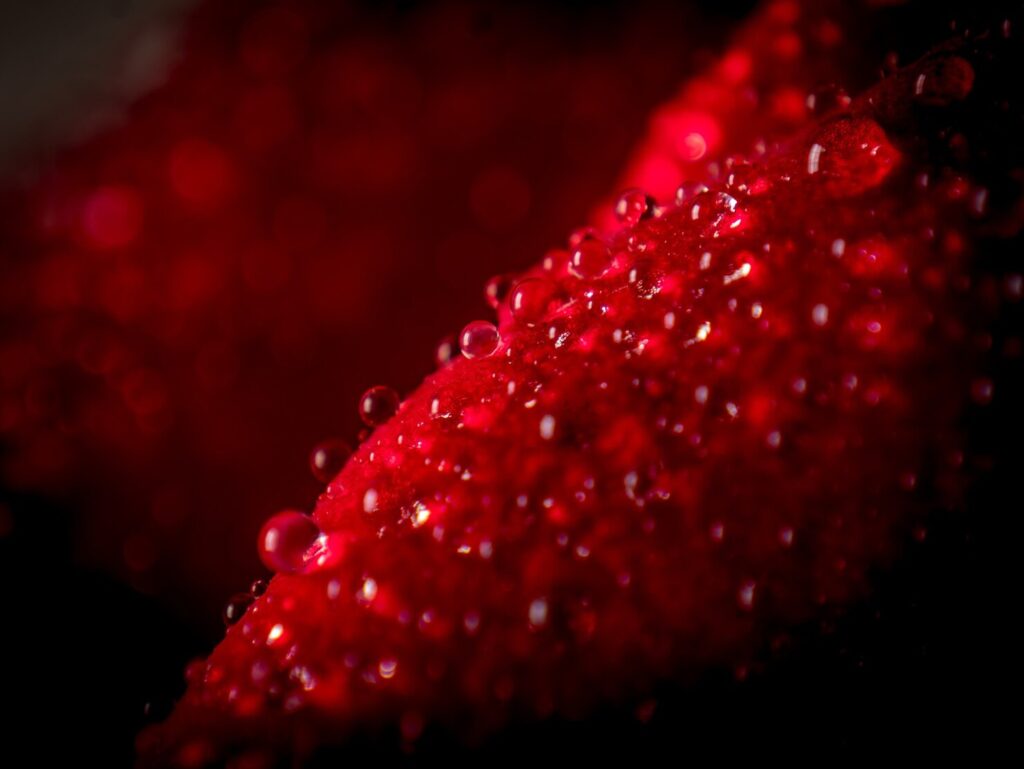
Astaxanthin (pronounced asta-zan-thin) is a naturally occurring carotenoid pigment that gives salmon, shrimp, and flamingos their reddish-pink color. Beyond its vibrant hue, it has earned a reputation as one of the most powerful antioxidants known to science, often referred to as the “King of Antioxidants.”
A Powerhouse Antioxidant
Antioxidants fight oxidative stress—damage caused by free radicals in your body. What makes astaxanthin stand out? Its antioxidant power is up to 6,000 times stronger than Vitamin C, 550 times more potent than Vitamin E, and 40 times stronger than beta-carotene.
Studies show that astaxanthin can cross the blood-brain barrier and blood-retinal barrier, providing protection to the eyes, brain, and central nervous system.
Where Does Astaxanthin Come From?
Astaxanthin is primarily sourced from Haematococcus pluvialis, a microalgae. When the algae are stressed—such as exposure to UV light or nutrient scarcity—they produce astaxanthin as a defense mechanism. This is the same pigment consumed by sea creatures like krill and salmon, giving them their characteristic color and strength (ever wonder how salmon swim upstream for days? Astaxanthin helps!).
Health Benefits of Astaxanthin
Clinical studies show that astaxanthin improves skin elasticity, reduces wrinkles, and enhances moisture retention. Regular intake helps protect the skin from UV damage, reducing signs of aging.
Astaxanthin reduces eye fatigue and protects against age-related macular degeneration (AMD) and cataracts by combating oxidative damage in the retina.
Athletes love astaxanthin for its ability to reduce muscle fatigue and inflammation. It enhances endurance and accelerates recovery after strenuous exercise.
Its ability to cross the blood-brain barrier helps protect neurons from oxidative stress, improving cognitive function and reducing the risk of neurodegenerative diseases. Additionally, astaxanthin supports cardiovascular health by reducing LDL cholesterol oxidation and improving blood flow.
Astaxanthin by the Numbers
6,000x stronger than Vitamin C
Recommended dose: 4–12 mg daily
Increases endurance by up to 55% in exercise performance studies
Reduces muscle soreness by 25% post-workout
Global market size for astaxanthin is projected to reach $4 billion by 2027.
Fun Fact
Flamingos are born with gray feathers! It’s their diet, rich in astaxanthin-containing crustaceans, that gives them their famous pink hue.
How to Add Astaxanthin to Your Life
Astaxanthin supplements are widely available, often derived from algae. While you can get small amounts through seafood like salmon and shrimp, supplements ensure you reach therapeutic levels (4–12 mg daily). Look for products with natural astaxanthin, as synthetic versions are less effective.
Final Thought
Astaxanthin isn’t just another supplement—it’s a game-changer for those looking to enhance their health naturally. Whether you’re an athlete, skin enthusiast, or simply want to stay sharp as you age, this super-antioxidant has something for everyone.
Add astaxanthin to your daily routine and let the King of Antioxidants work its magic!